
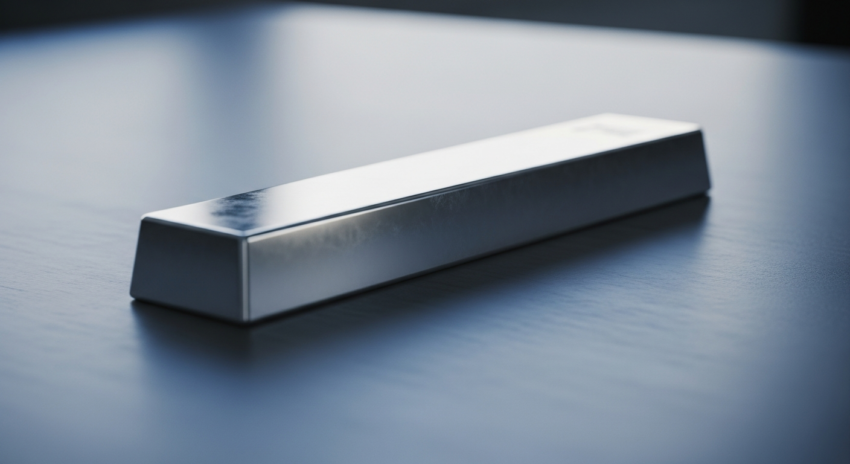


The Silent Rally: Why Silver Prices Are Breaking Records and What It Means for Your Wallet
While the headlines are often dominated by the movements of major stock indices or the latest cryptocurrency trends, a significant shift has been occurring in the world of commodities that deserves your immediate attention. In the last few days, we have witnessed a historic movement in the precious metals market, specifically regarding silver. This is not just a story for Wall Street traders; it is a narrative that intertwines industrial demand, geopolitical stability, and potentially, the future purchasing power of your savings. If you have been following the broader financial landscape, you know that understanding these market signals is crucial for financial health.
The recent surge in the price of silver, hitting levels not seen in over a decade, serves as a canary in the coal mine for the global economy. This article will deconstruct the recent price action, explain the fundamental drivers behind this bull market, and translate what these macroeconomic shifts mean for the everyday investor and consumer. We will move beyond the jargon to understand the mechanics of supply and demand that are currently squeezing the market.
The Objective Data: A Historic Breakout
Let’s look at the hard numbers. In recent trading sessions, silver has decisively broken through critical resistance levels, trading well above the $30 per ounce mark. To put this in perspective, this is a psychological and technical barrier that has held firm for years. This price action is not an isolated event but rather the culmination of a trend where the white metal has outperformed even gold in percentage terms over the short term. The trading volume—essentially the number of shares or contracts traded—has spiked, indicating strong conviction from institutional investors. This isn’t just a small fluctuation; it is a forceful repricing of the asset.
Unlike speculative assets that move on hype, this rally is underpinned by a fundamental supply deficit. For the fourth consecutive year, the global demand for silver is projected to outstrip the supply mined from the earth. When consumption exceeds production for such a prolonged period, basic economic principles dictate that prices must rise to balance the market. We are currently witnessing that rebalancing act in real-time.
Why Now? The Dual-Engine Driver
To understand why this is happening, we need to distinguish silver from its more famous cousin, gold. While gold is primarily a monetary asset and a store of value, silver plays a dual role. It is both a monetary metal and a critical industrial component. Currently, both engines are firing at full capacity.
On one side, we have the industrial engine. We are in the midst of a global transition toward green energy and electrification. Silver is the most conductive metal on the periodic table. It is absolutely essential for the production of solar panels (photovoltaic cells), electric vehicles (EVs), and increasingly, the chips used in Artificial Intelligence (AI) hardware. As nations strive to meet carbon-neutral goals, the hunger for silver in manufacturing has exploded. This is not a temporary spike; it is a structural shift in how the world powers itself. For those interested in how these macro trends affect personal wealth, looking into investment strategies that align with industrial cycles is often a prudent move.

On the other side is the monetary engine. Persistent inflation and uncertainty regarding interest rates have led investors to seek “hard assets.” When currency loses purchasing power, tangible assets like metals often act as a hedge or a shield. The recent data suggests that inflation is stickier than central banks anticipated, driving capital toward assets that cannot be printed by a government.
Deconstructing the Concepts: The Gold-Silver Ratio
A key metric that analysts are currently watching is the Gold-Silver Ratio. This measures how many ounces of silver it takes to buy one ounce of gold. Historically, when this ratio is high, it suggests silver is undervalued relative to gold. Recently, this ratio has begun to narrow, meaning silver is rising faster than gold.
Think of it this way: if Gold is the defensive captain of the team, steady and reliable, Silver is the aggressive striker. It tends to be more volatile—meaning its price swings are wilder—but during a commodities bull run, it often has more room to run. This volatility is important to understand. While the upside potential is significant, the drops can be just as sharp. It requires a stronger stomach than a standard savings account.
The “Short Squeeze” Phenomenon
Another technical term you might hear regarding this news is a “short squeeze.” In financial markets, some traders bet that the price of an asset will fall; this is called “shorting.” However, when the price rises unexpectedly due to physical demand (like solar panel manufacturers needing actual physical silver), these traders rush to buy back their positions to limit losses. This buying frenzy acts like pouring gasoline on a fire, propelling prices even higher. The current market dynamics suggest that those betting against silver are being forced to capitulate, adding momentum to the rally.
Practical Applications for the Non-Expert
So, how does this affect you? You might not be trading futures contracts, but the ripple effects of rising commodity prices eventually reach the consumer level.
- Electronics and Goods: Since silver is used in electronics, batteries, and solar panels, a sustained high price could lead to marginal price increases in these finished goods. It contributes to the broader narrative of cost-push inflation.
- Portfolio Diversification: This news highlights the importance of not having all your eggs in one basket. If your entire financial life is tied to the stock market or cash, you are exposed to specific risks. Including assets that react differently to economic stress—like commodities—can help smooth out the ride. If you are looking to secure your financial future, exploring different categories of savings and asset allocation is vital.
- Jewelry and Silverware: On a lighter note, if you were planning to buy silver jewelry or flatware, you might notice higher price tags at the counter. Conversely, the scrap value of old silver items in your attic has just increased.
Understanding “Paper” vs. “Physical” Markets
It is crucial to distinguish between the “paper price” (the price of silver contracts traded on exchanges) and the “physical price” (what you pay to hold a coin in your hand). In times of high demand, the premiums—the extra cost over the spot price charged by dealers—tend to rise. The news we are analyzing focuses on the spot price determined by futures markets, but if you tried to buy a silver coin today, you would likely pay significantly more than the quoted market rate due to the scarcity of physical product.
This disconnect happens because while you can trade infinite amounts of “digital” silver, there is a finite amount of refined bars and coins available for immediate delivery. This physical scarcity is the ultimate backstop for the price rally we are witnessing.
Conclusion: A Rational Approach to Market Hype
The surge in silver prices is a fascinating economic case study of what happens when limited supply meets booming industrial demand and monetary anxiety. However, it is vital to approach this news with a level head. Markets rarely move in a straight line. While the long-term fundamentals for silver appear robust due to the green energy transition, corrections (price drops) are normal and healthy.
For the average reader, the takeaway is not necessarily to rush out and buy bullion, but to understand the signal the market is sending: we are in a period where real, tangible resources are becoming increasingly valuable relative to paper currencies. Whether you are managing a household budget or a retirement fund, keeping an eye on commodity trends can give you a better forecast of where the broader economy is heading.
Frequently Asked Questions (FAQ)
Q: Does a rise in silver prices mean inflation is going to get worse?
Not necessarily, but it is often a symptom of inflation expectations. Investors buy silver when they fear their currency will lose value. However, the current rise is also heavily driven by industrial demand (solar panels, electronics), so it is a mix of inflation fears and genuine manufacturing needs.
Q: What is the best way to gain exposure to silver without storing physical bars?
For those who do not want the hassle of security and storage, Exchange Traded Funds (ETFs) that track the price of silver are a common option. Additionally, some investors look at mining stocks—companies that dig the metal out of the ground—as these can sometimes offer leverage to the metal’s price, though they come with their own company-specific risks.
About the Author: Money Minds, specialists in economics, finance, and investment.
View profile on LinkedIn