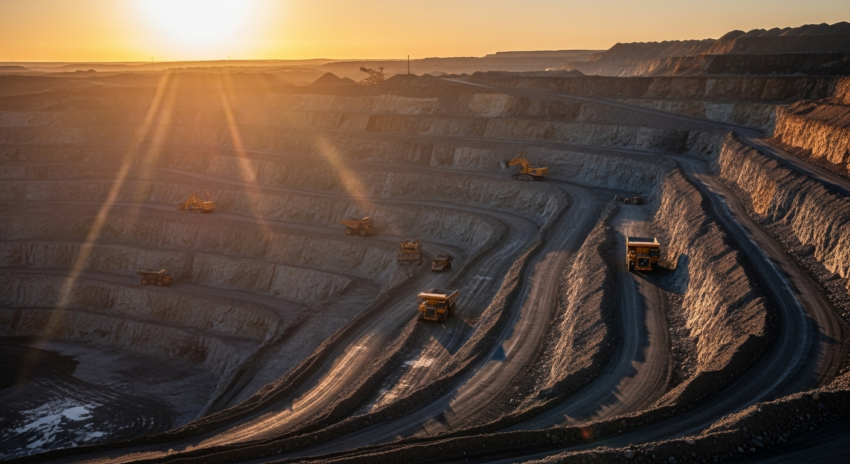


Mining Investment Funds: Opportunities in the Mining Sector
Investing in Mining Investment Funds allows you to tap into the raw materials that power the global economy. From the copper wiring in your home to the lithium in your smartphone battery, the mining sector is the bedrock of modern industry. If you are looking for ways to diversify your portfolio beyond traditional stocks and bonds, understanding the dynamics of mining funds is essential. This article will guide you through the opportunities available in this sector, helping you make informed decisions about allocating capital to natural resources.
The world of commodities can seem complex and volatile, but it also offers unique potential for growth and protection against inflation. By utilizing Mining Investment Funds, you gain exposure to a basket of companies involved in the extraction and processing of precious and industrial metals without the need to purchase physical bullion or analyze individual mining stocks. You will discover how these funds operate, the specific benefits they offer, and the risks you must manage to navigate this sector successfully.
Understanding the Mining Ecosystem
To invest successfully, you must first understand that the mining sector is not a monolith; it is divided into distinct categories based on the stage of development and the size of the company. Mining Investment Funds typically allocate capital across a mix of “major” mining companies and “junior” miners. Major miners are large, well-capitalized corporations with established production mines. They often pay dividends and offer a degree of stability similar to other large-cap stocks. Their value is driven by production volume and the global price of the commodities they sell.
On the other end of the spectrum are the junior miners. These are exploration companies that are searching for new mineral deposits but may not yet be producing any revenue. Investing in juniors is speculative and carries higher risk, but the potential returns can be exponential if a significant deposit is discovered. A well-managed fund will balance these two types of equities to provide you with a blend of stability and growth potential. By holding a fund, you mitigate the specific risk of a single exploration company failing to find resources.
The Role of Inflation and Economic Cycles
One of the primary reasons investors turn to the mining sector is to hedge against inflation. When the purchasing power of currency decreases, the price of hard assets—like gold, silver, and copper—often rises. Commodities have historically maintained a low correlation with the broader stock market, making them an excellent tool for portfolio diversification. During periods of economic uncertainty or high inflation, holding assets that represent real, tangible goods can help preserve your wealth.
However, the mining sector is also highly cyclical. The profitability of mining companies is directly tied to the underlying price of the metals they extract. During an economic boom, demand for industrial metals like iron ore and aluminum skyrockets, boosting the value of these funds. Conversely, during a recession, demand may wane. You should monitor the broader economy to time your entry and exit points effectively. Understanding these cycles is crucial for managing your expectations regarding returns.
Strategic Exposure to the Green Energy Transition
A new and powerful driver for Mining Investment Funds is the global shift toward renewable energy. The transition to a low-carbon economy requires massive amounts of specific raw materials. Electric vehicles (EVs), wind turbines, and solar panels are incredibly resource-intensive. This has created a “supercycle” demand for critical minerals such as lithium, cobalt, nickel, and copper. Unlike gold, which is a store of value, these are functional materials necessary for future infrastructure.
Funds that focus on these “green metals” are positioning themselves to benefit from a long-term secular trend. By investing in these funds, you are essentially investing in the infrastructure of the future. You should look for funds that specifically mention exposure to battery metals or critical minerals if you wish to align your portfolio with this technological shift. This thematic approach allows you to capitalize on industrial innovation rather than just monetary policy.

Types of Mining Funds Available
When you decide to enter this market, you will generally choose between mutual funds and Exchange Traded Funds (ETFs). Mining ETFs are passive investment vehicles that track a specific index, such as a gold miners index or a global metals index. They offer high liquidity and generally lower expense ratios. This means you can buy and sell them throughout the trading day just like a regular stock, making them a flexible option for tactical asset allocation.
Actively managed mutual funds, on the other hand, employ professional portfolio managers to select specific stocks. These experts conduct deep research into the geological data, management quality, and geopolitical risks of individual mining companies. While the fees for actively managed funds are typically higher, a skilled manager can navigate the volatility of the sector better than a passive index, potentially avoiding companies with poor environmental records or operational issues. You must weigh the cost of fees against the potential for outperformance.
Navigating Geopolitical and Operational Risks
While the opportunities are significant, you cannot ignore the risks inherent in this sector. Mining operations are often located in developing nations with unstable political climates. Changes in government regulations, tax laws, or even nationalization of assets can severely impact the profitability of mining companies. Geopolitical risk is a constant factor that fund managers must assess. When you invest in a global mining fund, you are indirectly exposing yourself to the political stability of the countries where the mines are located.
Furthermore, operational risks such as labor strikes, technical failures, and environmental accidents can disrupt production. Environmental, Social, and Governance (ESG) criteria are becoming increasingly important. Companies that fail to adhere to strict environmental standards face regulatory fines and social backlash. You should prioritize funds that integrate ESG analysis into their selection process, as these funds are likely to avoid companies that carry “hidden” risks related to environmental damage or poor community relations.
How to Evaluate and Select a Fund
Selecting the right Mining Investment Fund requires more than just looking at past performance. You need to examine the fund’s holdings to understand its focus. Is it weighted heavily toward precious metals like gold and silver, which act as safe havens? Or is it focused on base metals like copper and zinc, which are tied to industrial growth? Your choice should depend on your outlook for the economy and your financial goals. If you are seeking to protect capital during a downturn, precious metals are preferable. If you are betting on global growth, industrial metals are the better choice.
Check the expense ratio of the fund. High fees can erode your returns over time, especially in a sector that can experience long periods of stagnation. Additionally, look for the tenure of the management team. Experience matters immensely in the resource sector. A manager who has navigated previous commodity cycles will be better equipped to handle future volatility. For more insights on building a robust strategy, you can explore our resources on investment strategies.
Conclusion
Investing in Mining Investment Funds offers a compelling way to gain exposure to the raw materials that drive global progress. Whether you are seeking a hedge against inflation through precious metals or looking to capitalize on the green energy revolution through industrial minerals, these funds provide a diversified and professional managed entry point. However, the sector is volatile and requires a disciplined approach. By understanding the difference between major and junior miners, monitoring global economic cycles, and selecting funds with reasonable fees and strong management, you can effectively integrate commodities into your broader financial plan.
Remember that while the potential for high returns exists, capital preservation should always be a priority. Do not allocate your entire savings to a single sector. Use mining funds as a strategic component of a well-balanced portfolio. If you are unsure about which specific fund suits your risk profile, consult with a financial advisor who has demonstrable experience in natural resources.
Frequently Asked Questions (FAQ)
1. Are mining funds more volatile than standard equity funds?
Yes, generally speaking, the mining sector is more volatile than the broader market. The profitability of mining companies relies heavily on commodity prices, which can fluctuate wildly based on global supply and demand, currency values, and geopolitical events. You should be prepared for sharper price swings compared to a standard S&P 500 index fund.
2. What is the difference between investing in physical gold and a gold mining fund?
investing in physical gold gives you ownership of the metal itself, which is a pure store of value. Investing in a gold mining fund gives you ownership in the companies that extract the gold. Mining stocks often offer “leverage” to the gold price; if the price of gold goes up, the mining company’s profits can increase disproportionately, potentially offering higher returns than the metal itself, but with added operational risks.
3. Is it better to choose an active or passive mining fund?
This depends on your investment philosophy. Passive ETFs are cheaper and offer broad market exposure, which is good for general trends. Actively managed funds are more expensive but allow experts to avoid low-quality companies and focus on the best geological deposits. In the complex mining sector, many investors prefer active management to mitigate the specific risks associated with junior miners and unstable jurisdictions.
About the Author: Money Minds, specialists in economics, finance, and investment.
View profile on LinkedIn
Related Posts