


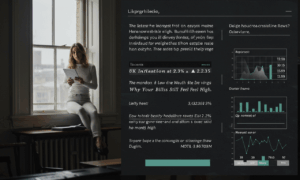
The UK Inflation Rate Plummets to 2.3%: A Turning Point for the Global Economy?
For months, households and investors alike have been scrutinizing economic reports with bated breath, looking for signs that the relentless rise in the cost of living is finally easing. The latest data emerging this week provides a significant answer that reverberates beyond borders. The UK inflation rate has experienced a dramatic decline, dropping to 2.3% in the year to April, down significantly from 3.2% in March. This is the lowest level in nearly three years and brings the economy tantalizingly close to the central bank’s “magic number” target of 2%.
While this sounds like unmitigated good news, the devil is in the details. For our readers trying to navigate their personal finances, understanding the nuance behind this headline is crucial. It is not just about a single number; it is about what that number signals regarding interest rates, mortgage payments, and the price of your weekly grocery shop. If you want to stay updated on how these macroeconomic shifts affect the market, you can always check our latest updates in the News section.
Breaking Down the Data: What Actually Happened?
To understand the current economic landscape, we must look at the objective data released in the last few days. The Consumer Price Index (CPI), which measures the average change in prices paid by consumers for a basket of goods and services, slowed more than expected. The fall to 2.3% was largely driven by a significant reduction in energy prices. Specifically, the lowering of the energy price cap meant that electricity and gas prices fell by a considerable margin compared to the previous year.
However, the economic picture is rarely one-dimensional. While energy costs dragged the headline figure down, other areas proved more stubborn. Services inflation—which includes costs for things like restaurant meals, haircuts, insurance, and mobile phone contracts—remained barely changed, hovering just below 6%. This is a critical data point because it reflects domestic price pressures and wage growth, rather than external factors like global oil prices.
Why does this matter to you? Because central banks look at “core” inflation (stripping out volatile energy and food) and services inflation to decide their next move. The headline drop is great, but the stickiness of service costs suggests that the battle against rising prices is not entirely won.
Understanding the “Base Effect” and Energy Prices
One concept that often confuses non-experts is why inflation can drop so sharply even if prices at the store don’t feel like they are falling. This is largely due to what economists call the base effect. Inflation is calculated year-over-year. Last year, energy prices were skyrocketing due to geopolitical conflicts. When we compare today’s prices to those historically high prices from a year ago, the percentage increase seems small—or, in the case of energy, shows a decrease.
It is vital to distinguish between disinflation and deflation.
- Disinflation means prices are still rising, but at a slower pace (this is what is happening now).
- Deflation would mean prices are actually getting cheaper across the board.
So, while the cost of living crisis is becoming less acute, prices for many goods remain permanently higher than they were two years ago. The relief comes from the fact that they aren’t climbing as fast as before, allowing wages a chance to potentially catch up.

The Interest Rate Dilemma: Will Cuts Come Soon?
The most pressing question following this news is: “What does this mean for interest rates?” For the past year, central banks have kept interest rates at 16-year highs to suffocate inflation. The theory is that by making borrowing expensive, people spend less, cooling the economy and bringing prices down. Now that inflation is near the 2% target, the logic suggests that rates should be cut.
However, the financial markets are reacting with caution. Because services inflation remains high, there is a fear that cutting rates too quickly could reignite the fire. If people start spending freely again while wages are rising, prices could spike back up. Consequently, while a rate cut in the summer is still possible, the probability of an immediate cut in June has diminished slightly. The central bank wants to be absolutely sure the “inflation dragon” is slain before easing the pressure.
This creates a complex environment for managing your money. High interest rates are excellent for savers but painful for borrowers. Navigating this balance is key to maintaining healthy Finance, and you can explore more about general financial health here.
Practical Impacts on Your Wallet
Let’s translate these macroeconomic statistics into daily life. How does a 2.3% inflation rate affect the average household? Here are the practical applications:
1. Mortgages and Loans: If you are on a variable-rate mortgage or looking to refinance, the news is a mixed bag. The headline drop is positive, but the market’s realization that rate cuts might be delayed means mortgage rates might not plummet immediately. Lenders price their products based on future expectations. If they think the central bank will hold rates steady for a few more months to kill off services inflation, mortgage rates will remain elevated for a bit longer.
2. The Grocery Shop: Food price inflation has also slowed significantly, dropping to around 2.9%. This is a massive relief compared to the double-digit increases seen last year. While your grocery bill won’t suddenly shrink, it should stop growing at such a terrifying rate. This allows for better budgeting and perhaps a little more breathing room at the end of the month.
3. Savings Accounts: For those with cash in the bank, this is a “sweet spot” moment. With inflation at 2.3% and many savings accounts offering 4% or 5%, you are finally getting a real return on your money. Your purchasing power is growing. However, if interest rates are eventually cut later this year, these high savings rates will disappear. It might be a good time to lock in fixed-rate bonds or accounts before the rates drop. For strategies on maximizing this window of opportunity, visit our section dedicated to Savings.
The Wage-Price Dynamic
Another element highlighted by this recent news is the state of the labor market. With inflation falling to 2.3%, and wage growth currently running higher than that (in many sectors), workers are finally seeing a boost in real wages. For the first time in a long time, paychecks are stretching further than they did the previous month.
This is a double-edged sword for the economy. Good for workers, obviously, but central banks worry about a “wage-price spiral.” This occurs when companies raise prices to pay for higher wages, and workers demand higher wages to pay for higher prices. The fact that service sector inflation is sticky suggests companies are passing these higher wage costs onto consumers. Until this cycle cools down, interest rates are likely to remain restrictive.
Global Implications
While this news is specific to the UK, it acts as a bellwether for other major economies, including the US and the Eurozone. Most Western economies are following a similar trajectory: the initial shock of energy and goods inflation has passed, but the “last mile” of getting inflation down to 2% is proving difficult due to service costs and strong labor markets. Investors globally are watching these figures to predict when the US Federal Reserve might act, as the global financial system is deeply interconnected.
Conclusion: A Fragile Victory
To summarize, the drop in inflation to 2.3% is a major milestone and a clear sign that the worst of the cost-of-living crisis—in terms of spiraling prices—is likely behind us. The objective data shows a stabilization driven by energy costs. However, the persistent heat in the services sector serves as a warning light on the dashboard.
We are entering a transition period. We are moving from a phase of “crisis fighting” to a phase of “stabilization.” This means we can expect interest rates to plateau and eventually fall, but perhaps slower than the optimists hoped. For the individual, the strategy shifts from survival (cutting costs) to optimization (locking in savings rates, preparing for refinancing). The economy is healing, but it is not yet fully recovered.
Frequently Asked Questions (FAQ)
Q: Does an inflation rate of 2.3% mean that prices are going back to 2021 levels?
A: No. Inflation measures the rate at which prices increase. A rate of 2.3% means prices are still rising, just much slower than before. To see prices return to 2021 levels, we would need significant deflation (negative inflation), which is rare and can be damaging to the economy.
Q: If inflation is down, why hasn’t the Central Bank cut interest rates immediately?
A: The Central Bank is worried about “services inflation,” which remains high. If they cut interest rates too early, consumer spending could increase too fast, causing inflation to spike again. They are waiting for more consistent data to ensure price stability is permanent before lowering rates.