
Introduction to Eco-Friendly Agricultural Assets
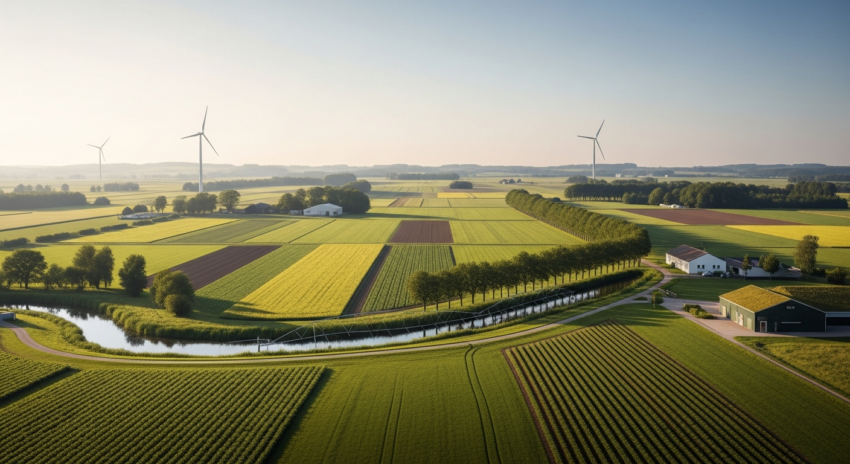
Global food systems are undergoing a massive transformation. As awareness regarding environmental impact and personal well-being increases, sustainable agriculture investment products are rapidly emerging as powerful tools for wealth creation. If you want to align your financial goals with positive planetary outcomes, understanding the opportunities in the healthy food market is essential. This crisis creates a unique opening for forward-thinking individuals to channel their capital into solutions that feed the world while preserving its ecosystems.
This comprehensive guide will provide actionable solutions and clarify how you can integrate these assets into your strategy to build a robust, future-proof portfolio. Discover the mechanics of eco-conscious agribusiness, explore the vehicles available to access this sector, and learn how to navigate the associated risks. By the end of this read, you will possess a solid foundation to make informed decisions in the green economy.
Defining Sustainable Agriculture Investments
What exactly does this vibrant sector encompass? At its core, sustainable agriculture focuses on farming practices that meet current global food demands without compromising the ability of future generations to do the same. It involves reducing reliance on synthetic fertilizers, eliminating harmful pesticides, and deploying cutting-edge technology to improve soil health and water conservation. When you evaluate eco-friendly farming investments, you are essentially analyzing companies and funds dedicated to organic food production, precision agriculture, and ethical supply chains.
The ecosystem of green farming goes far beyond traditional crops. It includes innovative fields like vertical farming, where crops are grown in controlled indoor environments, significantly reducing land and water usage. It also covers smart irrigation systems, organic seed providers, and enterprises focused on regenerative agriculture. Regenerative practices actively rebuild organic matter in the soil, capturing carbon from the atmosphere and restoring biodiversity.
By directing your capital toward these initiatives, you support the necessary transition away from extractive industrial farming. Understand that this is not philanthropy; it is a strategic financial positioning in a sector poised for exponential expansion as global mandates for environmental protection grow stricter.
Why the Healthy Food Market is a Prime Target
The transition toward healthy, ethically sourced eating is not a passing trend; it is a fundamental, permanent shift in consumer behavior. Shoppers actively seek out organic, non-GMO, and sustainably sourced items. Modern consumers demand transparency. By channeling capital into this sector, you tap into a massive demographic willing to pay a premium for quality and ecological responsibility.
Consider the macroeconomic factors currently at play. The global population is projected to reach unprecedented levels in the coming decades, requiring a massive increase in food production. However, the amount of arable land available for farming is steadily shrinking due to urbanization and soil degradation. This creates a supply and demand imbalance that favors highly efficient, eco-conscious agricultural enterprises. Companies that can maximize crop yields while simultaneously minimizing environmental harm are positioned for significant, long-term growth.
If you want to understand how these demographic and resource shifts impact broader markets, explore the insights available in our economy section. Recognizing the link between resource scarcity and financial growth is crucial for any modern portfolio strategy.
Vehicles for Accessing the Agricultural Sector
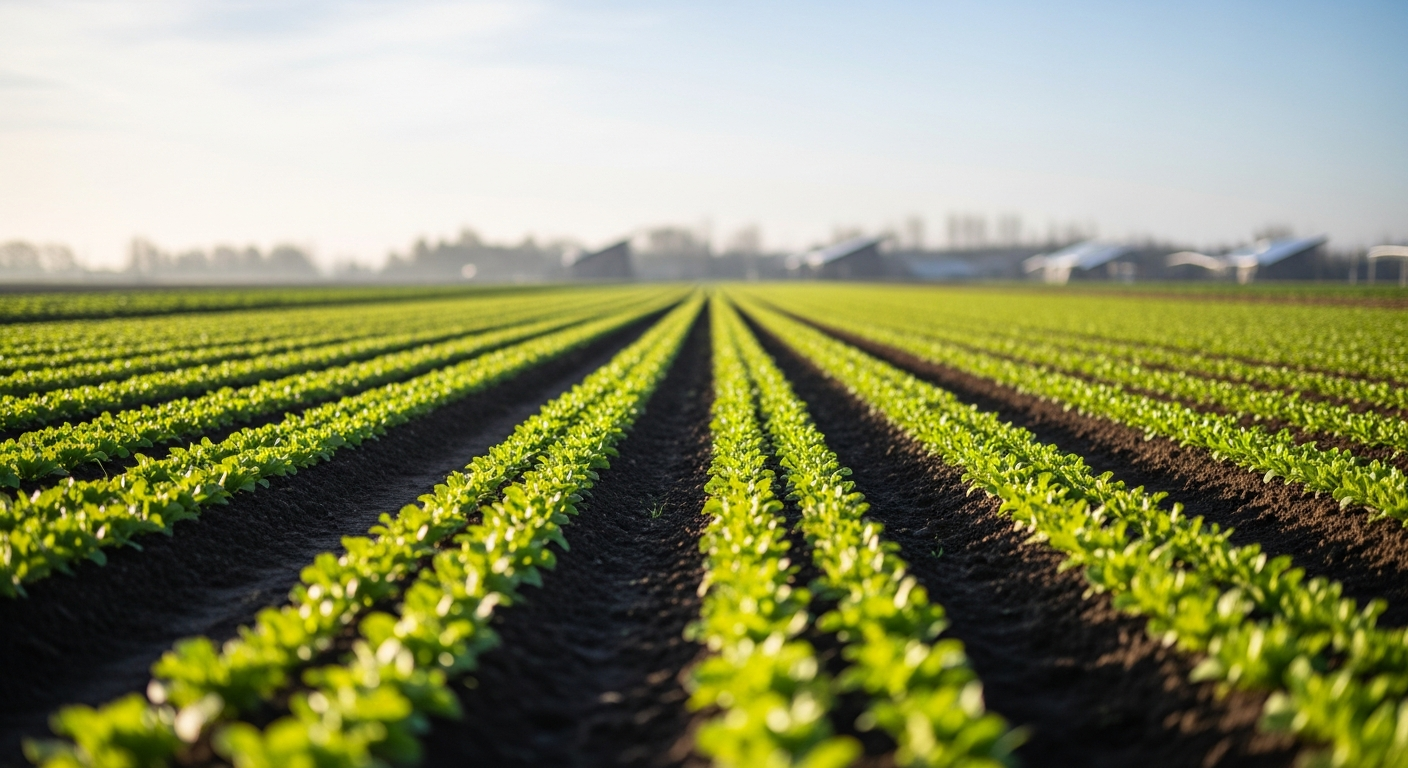
You have several distinct pathways to enter the healthy food market, each carrying its own profile of risk, reward, and liquidity. Evaluate the different structures available carefully before committing your capital.
- Exchange-Traded Funds (ETFs) and Mutual Funds: These vehicles offer broad, instant exposure to a diversified basket of agribusinesses, organic food producers, and agricultural technology firms. Instead of picking individual winners, you buy a slice of the entire sector. This approach reduces company-specific risks and provides high liquidity.
- Real Estate Investment Trusts (REITs): Farmland REITs allow you to purchase shares in portfolios of physical agricultural land. The trust generates revenue by leasing the acreage to independent farmers and taking a percentage of the crop sales. This provides a steady stream of dividend income and exposes you to the appreciation of land values.
- Direct Equity in Food Tech: For those with a higher risk tolerance, purchasing shares of publicly traded companies specializing in plant-based proteins, drone-assisted precision farming, or organic retail offers significant upside potential. These growth-oriented stocks can be highly volatile but offer direct participation in industry disruption.
- Green Bonds: Fixed-income instruments issued specifically to fund climate-positive projects, including sustainable farming initiatives. They offer lower volatility and predictable interest payments.
Review these options alongside other investment opportunities to determine which vehicle best suits your timeline and financial objectives.
Strategic Benefits for Your Portfolio
Adding green agriculture assets to your holdings brings distinct structural advantages. Foremost among these is portfolio diversification. Agricultural assets, particularly physical farmland and related REITs, often exhibit low correlation with traditional stock and bond markets. This means they can act as a stabilizing force, preserving your overall returns during periods of broader economic turbulence or tech-sector corrections.
Furthermore, agricultural assets historically serve as an excellent hedge against inflation. When living costs rise, food and basic commodity prices typically follow, protecting your capital’s purchasing power. Consequently, the revenue generated by farms and food producers increases. Physical land also tends to appreciate during inflationary periods.
Always evaluate your asset allocation periodically. Check your exposure to different sectors and ensure that alternative assets complement your core holdings. Avoid over-concentrating in a single niche, no matter how promising the growth projections might appear.
Navigating Risks and Market Complexities
Like any financial venture, backing the healthy food market carries specific, unavoidable risks. Agricultural production is uniquely vulnerable to weather events, shifting climate patterns, and natural disasters, all of which can severely impact crop yields. Additionally, the regulatory landscape governing farming subsidies, water usage rights, and organic certifications is constantly evolving.
Furthermore, innovative food-tech startups and alternative protein companies often face high volatility, intense competition, and execution risks. Mitigate these hazards by conducting thorough due diligence, diversifying within the sector, and maintaining a disciplined, long-term perspective. Do not let short-term commodity price fluctuations dictate your strategy.
If you feel overwhelmed by the complexities of agribusiness, seek professional guidance. Request consultations from certified financial advisors with demonstrable experience in environmental, social, and governance sectors. Relying on an expert ensures that your strategy aligns safely with your specific risk profile.
Conclusion
Participating in the evolution of global food systems offers a compelling dual benefit: fostering vital environmental stewardship while generating substantial financial returns. The opportunities within the healthy food market are vast and varied, ranging from income-producing farmland REITs to cutting-edge food technology ETFs. By carefully researching and selecting sustainable agriculture investment products, you can build a resilient, inflation-protected portfolio that capitalizes on the surging demand for clean, ethically produced nutrition. Take action, assess your current asset allocation, and position your wealth to grow alongside the future of sustainable farming.
Frequently Asked Questions
What specific practices make an agricultural operation sustainable?
Sustainable operations prioritize environmental conservation and long-term ecological balance. This includes minimizing the use of synthetic chemical fertilizers, implementing smart irrigation to conserve water, rotating crops to preserve soil nutrients, and utilizing precision technology to reduce waste, all while maintaining economic viability.
Can everyday retail investors access physical farmland?
Absolutely. You can gain lucrative exposure to agricultural land without the burden of buying or managing physical farms yourself. Utilizing Farmland REITs or specialized agricultural mutual funds allows you to purchase shares in managed land portfolios, providing both dividend income and potential capital appreciation.
Are green food stocks less risky than traditional equities?
Not necessarily. While they offer excellent diversification and strong growth potential driven by consumer demand, they remain subject to standard market volatility, regulatory shifts, and unique climate-related risks. Always assess your personal risk tolerance and diversify your holdings before committing capital to any specific sector.
About the Author: Money Minds, specialists in economics, finance, and investment.
View profile on LinkedIn
Related Posts