

Mastering the art of saving on energy is a fundamental step toward achieving total control over personal finances. Month after month, utility bills represent a significant portion of household expenses, subtly eroding budgets and limiting the capacity to build wealth. However, achieving substantial reductions in energy consumption does not require sacrificing comfort or completely altering daily routines. Instead, it involves applying strategic adjustments, understanding how power is utilized within a property, and making informed decisions that yield long-term financial benefits. This comprehensive guide will provide practical, proven solutions and actionable tips to help reduce electricity and gas costs effectively.
Analyze and Understand Utility Consumption Patterns
Before implementing any changes, evaluate current usage habits to identify the primary sources of expenditure. A thorough review of past utility statements reveals essential data regarding peak usage times, base load requirements, and seasonal fluctuations. The base load refers to the minimum amount of power required to keep essential appliances running continuously. By isolating this metric, pinpointing exactly where excess power is wasted becomes significantly easier.
To effectively monitor your usage, follow these fundamental steps:
- Review past statements to establish a solid baseline of your monthly expenditure.
- Identify peak hours and consciously shift heavy appliance operations to off-peak periods.
- Isolate base load requirements to pinpoint and eliminate hidden power drains.
Adopt a proactive approach by monitoring the household meter periodically. Modern smart meters provide real-time data, allowing users to observe immediate spikes in demand when specific devices are activated. Understanding the exact cost of running an air conditioning unit versus a space heater empowers you to make smarter operational choices. This level of awareness forms the cornerstone of effective utility bills management.
Optimize Heating and Cooling Systems
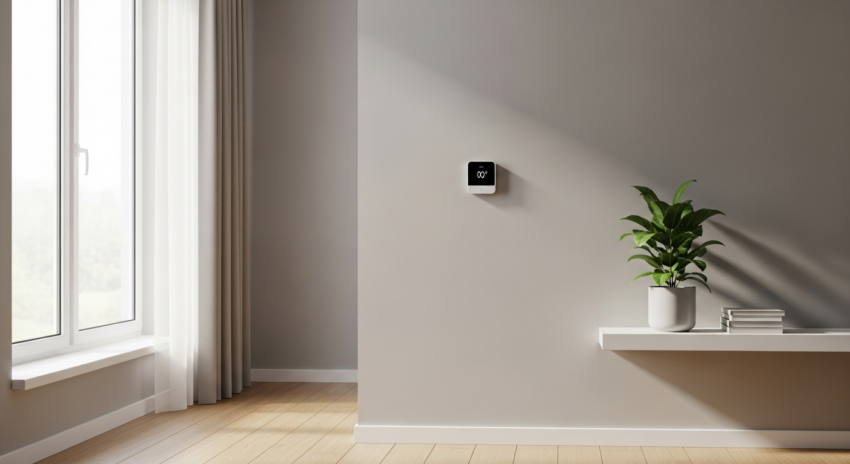
Climate control accounts for the largest fraction of residential power usage. Therefore, optimizing heating, ventilation, and air conditioning systems offers the highest potential for financial savings. Start by regulating the thermostat strictly. Lowering the temperature by just a few degrees during winter or raising it slightly during summer dramatically decreases the workload on climate control units. Programmable thermostats automate this process, ensuring optimal temperatures only when the property is occupied, thereby eliminating unnecessary waste during vacant hours.
Maintain the equipment regularly to preserve its maximum efficiency. Clean or replace filters every few months, as clogged filters restrict airflow, forcing the system to consume more power to achieve the desired temperature. Inspect ductwork for leaks and ensure vents remain unobstructed by furniture or curtains. If complex repairs are required, request an assessment strictly from professionals with demonstrable experience to inspect the installation. Proper maintenance contributes directly to superior home energy efficiency and extends the lifespan of expensive machinery.

Eliminate Phantom Loads and Optimize Lighting
Many electronic devices continue to draw power even when turned off, a phenomenon known as phantom load or standby power. Televisions, computer monitors, microwave ovens, and chargers left plugged into wall outlets silently inflate monthly costs. Combat this invisible drain by utilizing advanced power strips equipped with switch controls. Group electronics together on a single strip to disconnect the power supply entirely with one simple action when the devices are not in active use.
Transition entirely to light-emitting diode technology for illumination. Traditional incandescent bulbs waste an enormous amount of electricity by converting most of it into heat rather than light. LED bulbs consume a fraction of the power and boast a significantly longer operational lifespan. Additionally, maximize the utilization of natural daylight. Open blinds and curtains during daylight hours to illuminate interior spaces without engaging artificial light sources. Cultivate the habit of turning off lights immediately upon exiting a room.
For individuals looking to allocate their retained capital wisely, integrating these basic habits frees up resources that can be directed toward robust wealth-building strategies. Explore additional methods to maximize retained earnings by visiting our dedicated section on Savings.
Upgrade to High-Efficiency Appliances
Major household appliances, such as refrigerators, washing machines, and dishwashers, operate frequently and demand substantial wattage. When replacing outdated equipment, prioritize models possessing excellent energy ratings. These units are engineered to perform equivalent tasks using considerably less electricity and water. Although the initial purchase price might be higher, the subsequent reduction in operational costs generates a reliable return on the initial capital outlay over the life of the appliance.
Modify the usage patterns of existing appliances to maximize efficiency. Implement the following practices to ensure optimal performance:
- Run heavy appliances exclusively with full loads to maximize the output per cycle.
- Wash laundry using cold water settings whenever feasible, as heating water demands an immense amount of power.
- Utilize the air-dry function on dishwashers and rely on natural air drying for clothing to bypass energy-intensive heating elements.
Viewing household upgrades through a financial lens transforms a simple purchase into a calculated asset acquisition. If you are interested in expanding your knowledge regarding strategic resource allocation, our Economy resources offer valuable insights into broader market trends that impact personal wealth.
Improve Structural Insulation and Sealing
A poorly insulated structure permits conditioned air to escape while allowing exterior drafts to penetrate the living space. This thermal exchange forces heating and cooling systems to run continuously to compensate for the loss. Address this vulnerability by applying high-quality weather stripping around doors and windows. Seal gaps, cracks, and crevices along the foundation and exterior walls using durable caulking materials to create an airtight building envelope.
Assess the insulation levels in the attic, basement, and exterior walls. Upgrading insulation materials creates a robust thermal barrier, drastically improving the retention of interior climates. Additionally, consider installing thermal curtains or window films to block intense solar heat gain during warm seasons and retain warmth during colder periods. These structural enhancements require an initial investment but provide permanent, passive reductions in energy consumption without requiring daily behavioral modifications.
Conclusion
Mastering the strategy of saving on energy requires a combination of behavioral adjustments, structural improvements, and informed technological upgrades. By meticulously analyzing utility statements, optimizing climate control systems, eliminating phantom loads, and improving structural insulation, you can drastically reduce your bills. The capital preserved through these diligent practices directly increases disposable income, creating new opportunities for wealth generation and financial security. Implement these practical tips consistently, and observe the progressive decline in monthly utility expenditures, transforming wasted power into retained wealth.
Frequently Asked Questions
What is the most effective daily habit for lowering electricity usage?
The most impactful daily habit involves strictly managing the thermostat and turning off unnecessary climate control systems. Because heating and cooling demand the highest wattage in a standard household, adjusting the temperature by a few degrees and utilizing programmable thermostats yields the most significant and immediate reduction in monthly utility statements.
How much can phantom loads actually impact utility expenses?
Devices operating in standby mode can account for a noticeable percentage of an average residential electricity statement. Over a twelve-month period, the continuous draw from televisions, computer peripherals, and inactive chargers accumulates into a substantial financial drain. Disconnecting these items entirely eliminates this unnecessary expenditure.
Are high-efficiency appliances worth the higher upfront cost?
Yes, investing in highly rated efficiency models generally provides a strong return on investment. The reduction in operational power and water usage compensates for the initial price premium over the lifespan of the machine. Calculate the estimated yearly operational cost and compare it against standard models to verify the long-term financial benefit.
About the Author: Money Minds, specialists in economics, finance, and investment.
View profile on LinkedIn
Related Posts