

How to Make a Travel Budget: Your Ultimate Guide to Financial Freedom on the Road
Dreaming of exploring ancient ruins, relaxing on a tropical beach, or navigating a bustling foreign city? For many, the biggest obstacle standing between that dream and reality is money. Learning how to make a travel budget is not about limiting your adventure; it is about empowering it. A well-crafted budget removes financial stress, allows you to make the most of your trip, and ensures you return home with incredible memories instead of debt. This guide will provide you with a step-by-step framework to plan, save for, and enjoy your next vacation without breaking the bank.
Creating a travel budget is a fundamental exercise in personal finance. It requires foresight, discipline, and a clear understanding of your financial goals. By breaking down the process into manageable steps, you can transform a seemingly overwhelming task into an exciting part of your travel preparations. Let’s dive into how you can build a realistic and effective budget that works for you.
Step 1: Foundational Research and Defining Your Trip
Before you can assign a single dollar to your budget, you need a clear vision of your trip. The destination is the most significant factor influencing cost. A week in Southeast Asia will have a vastly different price tag than a week in Switzerland. Start by researching the general cost of living in your desired locations. Look into average prices for accommodation, meals, and local transportation.
Equally important is defining your travel style. Are you a backpacker content with hostels and street food, or do you prefer the comfort of mid-range hotels and restaurant dining? There is no right or wrong answer, but being honest about your preferences is crucial for an accurate budget. Once you have a destination and travel style in mind, you can set a preliminary savings goal and a target travel date. This gives you a tangible objective and a timeline to work with.
Step 2: Itemizing Your Major Pre-Trip Expenses
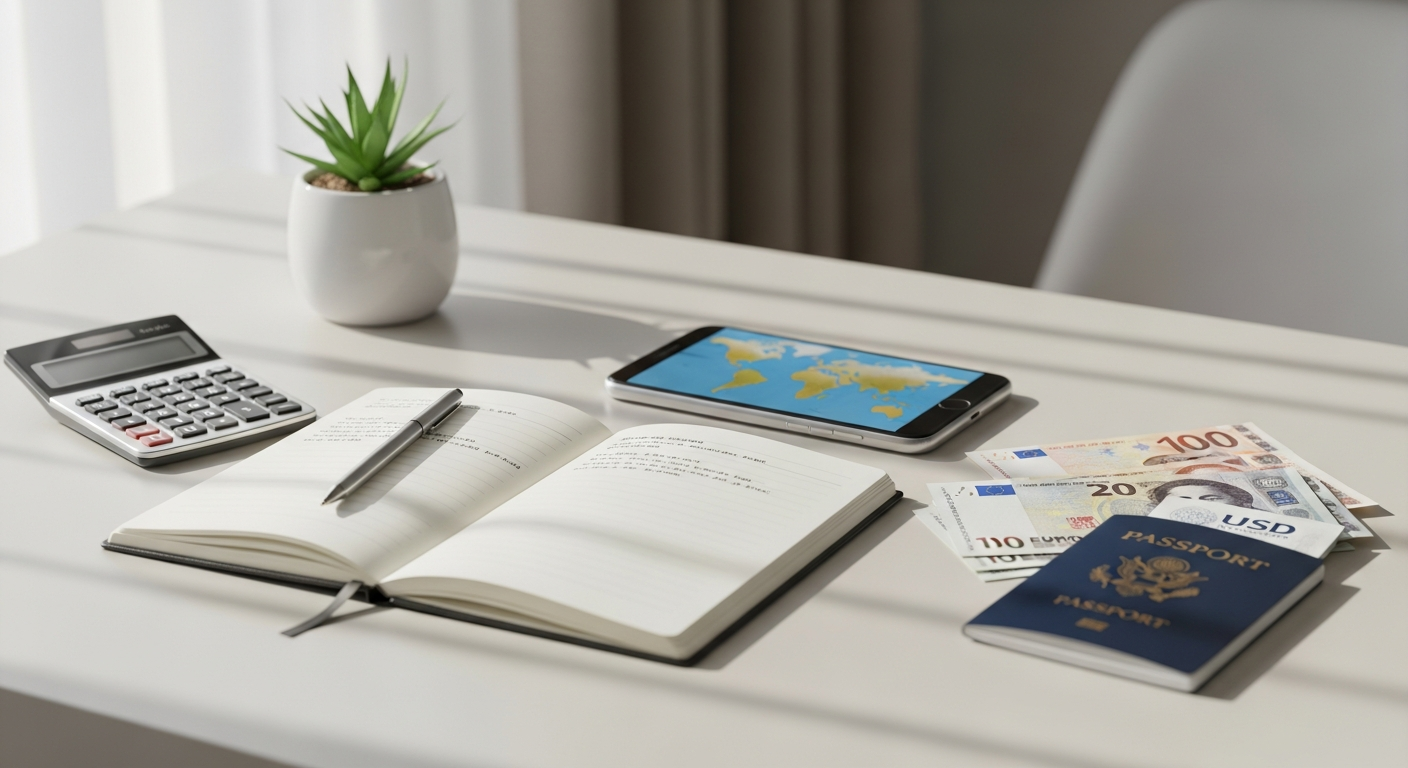
With your destination and style set, it is time to break down the major costs you will incur before you even leave home. These are often the largest expenses, so getting a handle on them early is key. We can categorize them into three main areas:
- Transportation to Your Destination: This is typically flights, but could also be train tickets or fuel for a road trip. Use flight comparison websites to get an idea of costs, but be strategic. Check prices for different dates, nearby airports, and consider booking several months in advance. Remember to factor in the cost of baggage, which can be a significant hidden fee.
- Accommodation: This will be your largest daily expense. Research the average cost per night for your preferred lodging type (hotel, hostel, vacation rental) in your chosen city. Multiply that by the number of nights you plan to stay. For longer trips, you may find that weekly or monthly rental rates offer a substantial discount.
- Pre-Booked Activities and Tours: Are there any must-do activities that require advance booking, such as tickets to a popular museum, a multi-day trek, or a specific tour? Research these costs and add them to your pre-trip expense list. Booking in advance can sometimes save you money and always saves you from the disappointment of a sold-out event.
Step 3: Calculating Your Daily On-the-Ground Costs
Once you have accounted for getting there and having a place to sleep, you need to budget for your daily expenses. This is where many budgets fall apart due to a lack of detail. A good approach is to set a per diem, or a daily spending allowance. This amount should cover:
- Food and Drinks: Be realistic. Will you be cooking some meals, eating street food, or dining out? A good strategy is to budget for one restaurant meal, one cheaper meal (like a sandwich or local market food), and snacks per day.
- Local Transportation: This includes subways, buses, taxis, or ride-sharing services to get around your destination. Research the cost of a multi-day transit pass, which can offer great value.
- Activities and Entertainment: Factor in museum entrance fees, city tours, shows, and any other attractions you plan to visit. It is wise to budget a little extra in this category for spontaneous discoveries.
- Miscellaneous: This is a small buffer for things like a bottle of water, a postcard, or a coffee. These small purchases add up quickly if not accounted for.
To get a realistic daily average, consult travel blogs or guidebooks that provide cost breakdowns for your specific destination. Multiply your estimated daily cost by the number of days you will be traveling to get your total on-the-ground budget.
Step 4: Don’t Forget the Hidden Costs and Contingencies
A successful budget anticipates the unexpected. Several costs are easy to overlook but are essential for a smooth and safe trip. First and foremost is an emergency fund. This is a separate pool of money, perhaps 10-15% of your total trip cost, set aside for unforeseen events like a medical issue, a missed flight, or lost luggage. It is better to have it and not need it than to need it and not have it.
Other costs to include in your planning are: travel insurance (non-negotiable for international travel), visa fees, any necessary vaccinations, and foreign transaction fees from your bank or credit card. Also, consider pre-trip purchases like new luggage, travel-specific clothing, or guidebooks. Finally, decide on a budget for souvenirs and shopping. Giving yourself a clear limit prevents impulse buys that can derail your finances.
Step 5: Implementing a Dedicated Savings Strategy
Knowing your total budget is one thing; saving the money is another. This requires a disciplined approach to your personal finances. The most effective method is to open a separate, high-yield savings account specifically for your travel fund. This keeps the money out of your daily checking account, reducing the temptation to spend it. Explore our resources on effective savings strategies to maximize your efforts.
Automate your savings. Set up an automatic transfer from your primary account to your travel account each payday. Even a small, consistent amount grows significantly over time. To accelerate your progress, conduct a review of your current spending. Identify non-essential expenses you can temporarily cut back on, such as daily coffees, subscription services you don’t use, or frequent dining out. Redirecting this money into your travel fund will help you reach your goal much faster.
Conclusion: Your Budget as a Tool for Freedom
Building a travel budget is the first and most critical step toward turning your travel dreams into reality. It is a proactive process that involves research, detailed planning, and a smart savings strategy. By breaking down your expenses, accounting for hidden costs, and consistently setting money aside, you create a financial roadmap for your journey. Remember, a budget is not a restriction; it is the tool that gives you the freedom to explore the world with confidence and peace of mind, knowing that your finances are under control.
Frequently Asked Questions (FAQ)
How far in advance should I start saving for a trip?
The ideal timeframe depends on the cost of the trip and your income. For a significant international trip, starting to save 12 to 18 months in advance is a good rule of thumb. This allows you to accumulate funds without drastically impacting your daily lifestyle. For smaller, domestic trips, 6 months may be sufficient. The key is to calculate your total budget and divide it by the number of months you have, which will give you your required monthly savings amount.
What is a good way to track spending while I am actually traveling?
Tracking your spending during your trip is crucial to staying on budget. You can use a dedicated budgeting app on your smartphone, many of which allow you to categorize expenses and see your spending in real-time. Alternatively, a simple method is to use a small notebook to jot down every purchase. At the end of each day, take a few minutes to tally your expenses and compare them to your daily allowance. This helps you adjust your spending for the following days if needed.
Should I use a credit card, debit card, or cash when traveling abroad?
A mix of all three is often the best strategy. Use a credit card with no foreign transaction fees for major purchases like hotels and restaurant meals, as it offers better fraud protection. Use a debit card from a bank that has low or no international ATM withdrawal fees to get local currency. It is always wise to carry a small amount of local cash for small purchases, taxis, or places that do not accept cards. Before you leave, inform your bank and credit card companies of your travel plans to avoid having your cards frozen for suspicious activity.