



Weekly Market Breakdown: Clear Insights for Everyday Savers
Welcome to our weekly recap, where we dissect the most critical developments of the past few days. Navigating the world of money management can often feel overwhelming due to complex jargon and rapid changes. Our goal is to translate these complicated events into straightforward, actionable knowledge. Whether you are looking to understand global commercial trends, manage your personal wealth, or explore avenues for asset growth, we have you covered. Let us dive into the latest updates shaping your financial future.
Economy
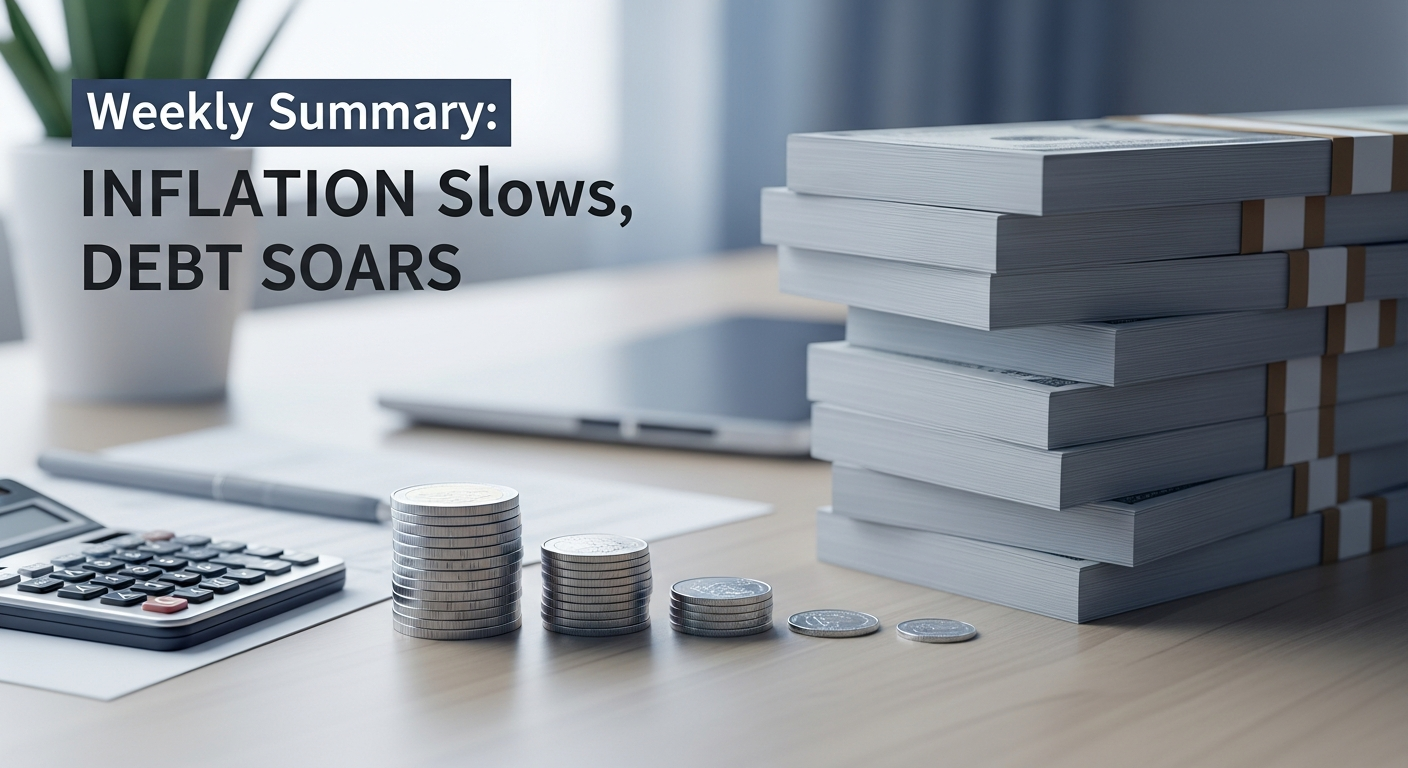
- Consumer Prices Rise at a Slower Pace: The most recent inflation reports indicate that the overall cost of living is decelerating. This means that while everyday expenses like groceries and housing are still getting more expensive, the speed of these price hikes has noticeably decreased. This moderation provides a glimmer of hope for family budgets. Furthermore, this cooling trend suggests that monetary authorities might soon pause their aggressive interest rate hikes. Stable or lower rates eventually translate into cheaper mortgages and more accessible personal loans, offering significant relief to the general public.
- Supply Chain Disruptions Increase Freight Costs: Global commerce is facing fresh logistical hurdles. Over the last five days, vital maritime routes have experienced heavy congestion and unexpected detours. Cargo ships are being forced to navigate longer, alternative paths to deliver their goods. Consequently, the transportation expenses for these maritime fleets have surged. For the everyday consumer, this is a vital metric to watch, as elevated shipping fees often trickle down to the retail level, potentially causing the price of imported electronics, clothing, and household goods to climb in the coming months.
Finance
- Major Equity Index Surpasses Historic Threshold: A prominent barometer tracking large industrial corporations reached an unprecedented peak this week. This extraordinary milestone highlights robust corporate profitability and a wave of optimism sweeping through trading floors. However, it is essential to maintain perspective. While seeing record numbers on the news can trigger a fear of missing out, seasoned analysts remind us that market peaks are a normal part of long-term economic expansion. Steadiness and patience remain far more effective than making impulsive decisions based on daily headlines.
- Consumer Credit Balances Hit Alarming Levels: Recent banking disclosures reveal that household debt, particularly on plastic cards, has escalated significantly. Many individuals are increasingly relying on borrowed funds to bridge the gap between their income and daily living expenses. With borrowing costs currently hovering at multi-year highs, carrying a balance from one month to the next has become an incredibly costly habit. This development underscores the urgent need for families to prioritize aggressive debt reduction strategies, as high-interest obligations can severely hinder long-term personal wealth building.
Investments
- Digital Infrastructure Drives Technology Asset Growth: The technology sphere continues to attract massive capital inflows, specifically fueled by advancements in machine learning and automated systems. Tech giants recently announced massive expansions of their data centers and processing capabilities. For individuals holding tech-focused mutual funds or exchange-traded funds, this translates to dynamic growth potential. Investors are eagerly purchasing shares in semiconductor creators, anticipating that these innovations will revolutionize multiple economic sectors. Still, it is crucial to remember that rapid growth sectors can experience sharp price fluctuations.
- Precious Metals Shine as Protective Assets: The valuation of commodities, notably gold and silver, experienced a significant upward trajectory recently. In times of perceived economic unpredictability, buyers traditionally seek refuge in tangible, physical assets to safeguard their purchasing power. Additionally, global monetary institutions have been actively acquiring large reserves of bullion, thereby reducing the available supply in the open market. This supply squeeze naturally pushes prices higher. For the average saver, this trend serves as a practical lesson in diversification, proving that holding different asset classes can cushion a portfolio against sudden market shocks.
Frequently Asked Questions
If the inflation rate is finally dropping, why do my groceries still cost so much?
When economists report that inflation is cooling, it merely indicates that the rate of increase has slowed down. Imagine driving a car and easing your foot off the accelerator; the vehicle is still moving forward, just not as fast. Prices are still climbing, but at a more manageable pace. To actually see prices revert to what they were a few years ago, the economy would need to experience deflation, which brings a completely different set of severe economic challenges.
Should I wait for a market drop before buying shares, since indices are at record highs?
Attempting to predict the perfect moment to enter the market is a notoriously difficult strategy, even for seasoned professionals. Historically, broad market indices trend upward over extended periods, meaning that the record high of today could become the baseline of tomorrow. Instead of trying to time the market, financial educators often recommend a strategy called dollar-cost averaging. By consistently investing a fixed amount of money at regular intervals, you can naturally smooth out the volatile peaks and valleys over time.
About the Author: Money Minds, specialists in economics, finance, and investment.
View profile on LinkedIn