
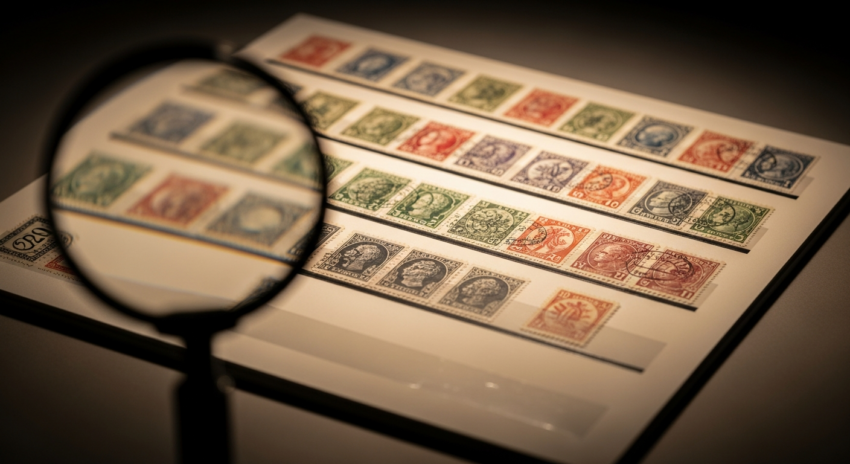


Stamp Investment Funds: Opportunities in the Philatelic Market
Are you looking to diversify your portfolio beyond traditional stocks and bonds? Stamp Investment Funds represent a unique avenue within the alternative asset space. While many view philately purely as an enjoyable hobby, astute individuals recognize the profound opportunities hidden within the global philatelic market. This guide provides you with the relevant information and practical solutions needed to navigate this specialized sector effectively. You will discover how pooling financial resources to acquire rare historical stamps can protect your capital and potentially yield impressive long-term returns.
The Mechanics of the Philatelic Market
Before diving into specialized funds, you must understand what gives a tiny piece of printed paper its immense value. In the philatelic market, rarity, historical significance, and physical preservation condition dictate the ultimate price. Unlike standard financial instruments, a rare stamp stands as a tangible piece of human history with a strictly finite supply. As decades pass, the number of well-preserved specimens naturally decreases, which consistently drives up demand among serious collectors.
Understand that navigating this space requires specialized knowledge. A microscopic printing error or an unusual color variation can mean the difference between a common item and a highly sought-after treasure. Therefore, approaching this physical market requires meticulous research and professional guidance. You must view these items not just as collectibles, but as legitimate alternative stores of wealth.
What Are Stamp Investment Funds?
Purchasing investment-grade stamps individually demands significant capital, profound expertise, and immense dedication. This is exactly where Stamp Investment Funds offer a streamlined solution. These specialized financial vehicles pool capital from multiple participants to acquire extensive portfolios of rare and premium stamps. By participating in such a structured fund, you gain fractional exposure to a curated, world-class collection impossible to assemble on your own.
Professional fund managers, working alongside renowned experts, continuously analyze global auction trends. They seek to acquire premium assets below intrinsic market value and strategically sell them during peak demand periods. Furthermore, they handle all cumbersome details of authentication, climate-controlled storage, and specialized insurance. This organized structure allows you to enjoy the financial benefits without becoming a full-time authenticator yourself.
The History and Evolution of Philatelic Investing
People have collected stamps since the introduction of the modern postal system, but treating them as formalized financial assets developed much later. Initially, wealthy individuals passed down collections as family heirlooms. Over time, as auction houses recorded consistent upward price trends for rare issues, the financial community took notice. Wealth managers realized these pieces possessed intrinsic qualities similar to fine art.
Today, the landscape has evolved into a sophisticated arena where institutional capital flows into rare collectibles. Modern funds utilize advanced tracking software and historical auction data to project future valuations. By transforming a solitary hobby into a structured financial product, these funds democratize access to top-tier philatelic assets. You no longer need to attend exclusive auctions; the fund operates on your behalf.
Diversification and Economic Protection
One of the most compelling reasons to explore this alternative asset class is its remarkably low correlation with traditional equity markets. When stock markets experience high volatility, tangible assets like rare stamps often maintain their intrinsic value. They serve as a reliable store of wealth, insulating your overall portfolio from sudden macroeconomic shocks. If you want to learn more about balancing your portfolio effectively, explore our investment resources to discover strategies that align with your long-term goals.
Additionally, premium stamps have historically provided a strong, resilient hedge against inflation. As the purchasing power of fiat currency decreases, tangible collectibles generally see their nominal values rise. By allocating a measured percentage of your overall strategy to physical assets, you effectively build a financial fortress. This diversification stands resilient across unpredictable economic cycles.
Assessing the Inherent Risks
No financial endeavor comes without potential drawbacks, and the philatelic market is no exception. Liquidity stands out as the primary challenge. Unlike company shares traded instantly on a digital exchange, selling a highly valuable stamp portfolio can take months or years to achieve the optimal price. You must approach this sector with a long-term mindset, fully prepared to lock away your allocated capital for an extended period.
Valuation in the philatelic world can sometimes remain subjective. While specialized catalogs provide baseline estimates, the final realized price depends on what a specific buyer pays at an exact moment. Keep in mind that shifts in collector demographics can also impact future demand. Always review the fund prospectus carefully to understand their targeted exit strategies. If you are exploring broader economic impacts on asset pricing, our economy section offers valuable insights into shifting market dynamics.
Practical Steps for Prospective Participants
If you decide to proceed and explore this unique avenue, you must take proactive steps to safeguard your capital. Research the track record of the fund managers extensively before committing any funds. Verify their historical performance meticulously, but always remember that past results never guarantee future returns. Check the credentials of the independent appraisers they utilize to value their holdings.
Always prioritize complete transparency. Request detailed reports on asset acquisition methodologies, physical storage facilities, and comprehensive insurance policies. Because this represents a highly specialized niche, only contact professionals with demonstrable experience in managing alternative physical assets to guide your journey. Avoid making hasty decisions based purely on emotional appeal. Instead, treat philatelic funds with the exact same rigorous due diligence you would apply to analyzing a corporate bond.
Conclusion
Integrating Stamp Investment Funds into your wealth management strategy can successfully unlock distinct, rewarding opportunities in the global philatelic market. By leveraging the specialized expertise of seasoned portfolio managers and the undeniable scarcity of rare historical stamps, you gain access to a powerful alternative asset class. This unique sector offers both fascinating historical intrigue and robust wealth preservation potential. While it strictly requires patience and a solid tolerance for low liquidity, the ability to diversify effectively away from traditional equity markets makes it a highly worthy consideration. Proceed methodically, educate yourself continuously, and rely on proven experts to successfully navigate this distinctive landscape.
Frequently Asked Questions
- What are the main benefits of utilizing a fund rather than buying stamps directly?
Utilizing a fund provides you with immediate fractional ownership of a highly diversified, premium portfolio that would require immense capital to build individually. You also benefit from professional management, expert authentication, secure climate-controlled storage, and comprehensive insurance. - How liquid is capital placed within the philatelic market?
Capital placed in physical collectibles generally exhibits very low liquidity. Selling rare items to achieve maximum value requires finding the right specialized buyer, often through scheduled international auctions. Consider this a long-term strategy and only allocate capital you will not need to access urgently. - What specific factors determine the valuation of the assets held within these portfolios?
The valuation depends heavily on strict scarcity, documented historical significance, physical condition, and provenance. A flawless specimen with rare characteristics, such as a documented printing error, will command a premium price driven by persistent collector demand.