

Economy
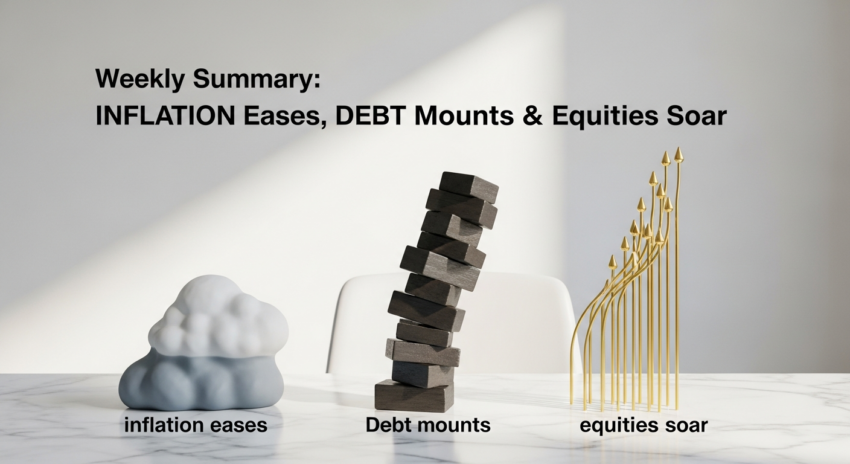
- Consumer Prices Show Gradual Stabilization: The most recent economic reports indicate that the overarching inflation rate is finally beginning to cool. Inflation simply represents the rate at which the general level of prices for everyday goods and services is rising, ultimately eroding purchasing power. For months, individuals have felt the pinch at the grocery store and the gas pump. The latest data reveals a slight deceleration in these price hikes. While this does not imply that everyday items will suddenly become cheap, it does suggest that the relentless upward trajectory of living expenses is losing momentum. This is a highly positive signal for the broader economic landscape, hinting that consumer wallets might soon experience some much-needed relief.
- Global Monetary Authorities Consider Diverging Paths: Central banks around the world are starting to adopt differing strategies regarding their monetary policies. A central bank functions as the chief financial authority of a nation or region, controlling the supply of money and setting baseline interest rates. Currently, European policymakers are heavily leaning toward lowering borrowing costs in the near future to stimulate regional business growth. Conversely, officials in the United States are opting to maintain elevated interest rates for a longer duration to guarantee that inflation is entirely subdued. When borrowing money remains expensive, it tends to cool down spending, which helps keep prices stable over the long run.
Finance
- Consumer Credit Utilization Hits Unprecedented Peaks: Recent financial surveys reveal that household debt, particularly revolving credit balances, has reached record highs. Many consumers are increasingly leaning on borrowed capital to bridge the gap between their income and their daily expenses. Understanding personal financial resilience is crucial in this environment. When individuals carry large balances on high-interest financial products, a significant portion of their monthly income goes strictly toward paying finance charges rather than reducing the principal amount owed. This trend highlights a growing strain on personal finance management and underscores the importance of building emergency savings to avoid relying on expensive borrowed funds.
- Automated Intelligence Reshaping Banking Institutions: The corporate banking sector is currently undergoing a massive technological evolution. Major financial institutions are aggressively adopting advanced machine learning and automated systems to handle their daily operations. These innovations are deployed in various areas, from enhancing fraud detection mechanisms to providing instant customer service through digital assistants. By automating routine and repetitive tasks, banks are significantly improving their operational efficiency and reducing overhead costs. However, this transition requires a shift in human capital, prompting employees to transition into more complex, strategic, and advisory roles within the financial ecosystem.
See also UK INFLATION Falls to 2.3%: Why Your Wallet Still Feels the Squeeze & Rate Cuts Are Delayed

Investments
- Major Equity Benchmarks Cross Historic Thresholds: One of the most prominent stock market indices recently surpassed a massive psychological milestone, reaching an all-time peak. A market index acts as a barometer for the corporate sector, tracking the collective performance of a specific group of prominent publicly traded companies. When these benchmarks hit record levels, it generally reflects robust investor optimism regarding future corporate profitability and overall economic resilience. Despite existing worries about elevated borrowing costs, market participants remain confident in the ability of large corporations to generate strong earnings, thereby driving equity valuations higher and rewarding long-term shareholders.
- Regulatory Progress for Digital Asset Funds: Government oversight agencies have recently taken significant steps forward in the realm of alternative investments. Specifically, regulatory progress is paving the way for new Exchange Traded Funds that directly track the performance of major digital currencies. An Exchange Traded Fund is a type of investment vehicle that trades on traditional stock exchanges, just like regular company shares. This development is monumental because it allows retail investors to gain exposure to digital assets using their standard brokerage accounts. It eliminates the need to manage complex digital wallets or navigate unregulated alternative exchanges, offering a more secure and simplified avenue for portfolio diversification.
Frequently Asked Questions
-
How does a cooling inflation rate impact my long-term savings?
When the pace of price increases slows down, the purchasing power of your saved money stops eroding so quickly. This means the cash you hold in savings accounts or conservative investments will retain its intrinsic value much better over time, helping you effectively preserve your wealth for future financial goals. -
What makes an Exchange Traded Fund a practical option for beginners?
These financial instruments offer immediate diversification by pooling money to buy a broad collection of underlying assets, whether they are traditional stocks or newer digital currencies. They are highly accessible, extremely easy to trade, and typically come with lower management fees, making them an excellent starting point for those looking to build wealth without taking on the risk of picking individual assets.
About the Author: Money Minds, specialists in economics, finance, and investment.
View profile on LinkedIn