



Are you closely following the latest global economy trends but find the constant barrage of numbers, percentages, and financial jargon overwhelming? You are absolutely not alone. Recently, a major shift occurred in the financial landscape: the relentless pace of inflation has finally shown undeniable signs of cooling down after many months of stubborn, painful increases. This article will provide relevant information to help you understand exactly what this means for your wallet, your future planning, and your overall peace of mind. We will break down the objective data from the recent financial reports, explain the core concepts without relying on confusing terminology, and show you precisely how these macroeconomic shifts impact your daily life. Whether you are trying to buy a house, manage your debt, or simply afford your weekly groceries, understanding these broad economic movements is the first step toward financial empowerment.
Let us look at the objective data that has financial markets buzzing this week. Over the past few days, official economic reports revealed that the annual inflation rate dipped slightly, moving from a persistent three point five percent down to three point four percent. Furthermore, the core consumer price index, which strips out volatile categories like food and energy to reveal underlying price trends, also showed a measurable decline. While a fraction of a percent drop might seem microscopic to the average person, in the grand theater of the economy, it is a massive signal. Central banks, the institutions that control the supply and cost of money, watch these specific decimal points with intense scrutiny. For the past two years, they have aggressively raised interest rates to combat skyrocketing prices. Now, with the data showing a gentle downward slope, financial experts are buzzing with the very real possibility that interest rate hikes are officially over. They are even forecasting that rate cuts might begin later this year.
To truly grasp the magnitude of this news, we must deeply understand two fundamental forces that dictate our financial reality: inflation and interest rates. Let us start with inflation. Think of inflation as an invisible, silent tax on your money. When inflation is high, the actual purchasing power of your hard-earned currency shrinks day by day. Imagine a basket of everyday goods, like bread, milk, and eggs, that cost one hundred dollars a year ago. If inflation is at ten percent, that exact same basket of goods will cost you one hundred and ten dollars today. Your paycheck might not have changed, but your money simply buys less. It is crucial to note that the recent slight drop in the inflation rate does not mean prices are actually falling back to where they were three years ago. Deflation is a different phenomenon entirely. Instead, cooling inflation simply means that prices are continuing to rise, but at a much slower, more manageable pace.
To fight this invisible tax of high inflation, central banks deploy their primary weapon: interest rates. By deliberately making it more expensive to borrow money, they intentionally attempt to slow down the entire financial machine. When people and businesses have to pay higher interest on loans, they tend to spend less and save more. Consequently, when overall spending drops, the demand for goods and services decreases, which eventually forces prices to stabilize. However, this economic medicine has severe side effects. High interest rates translate directly into expensive mortgages, costly auto loans, and punishingly high credit card debt. Therefore, the recent news that inflation is successfully cooling gives immense hope that borrowing costs have reached their ceiling. This provides a much-needed breathing room for households feeling financially squeezed.
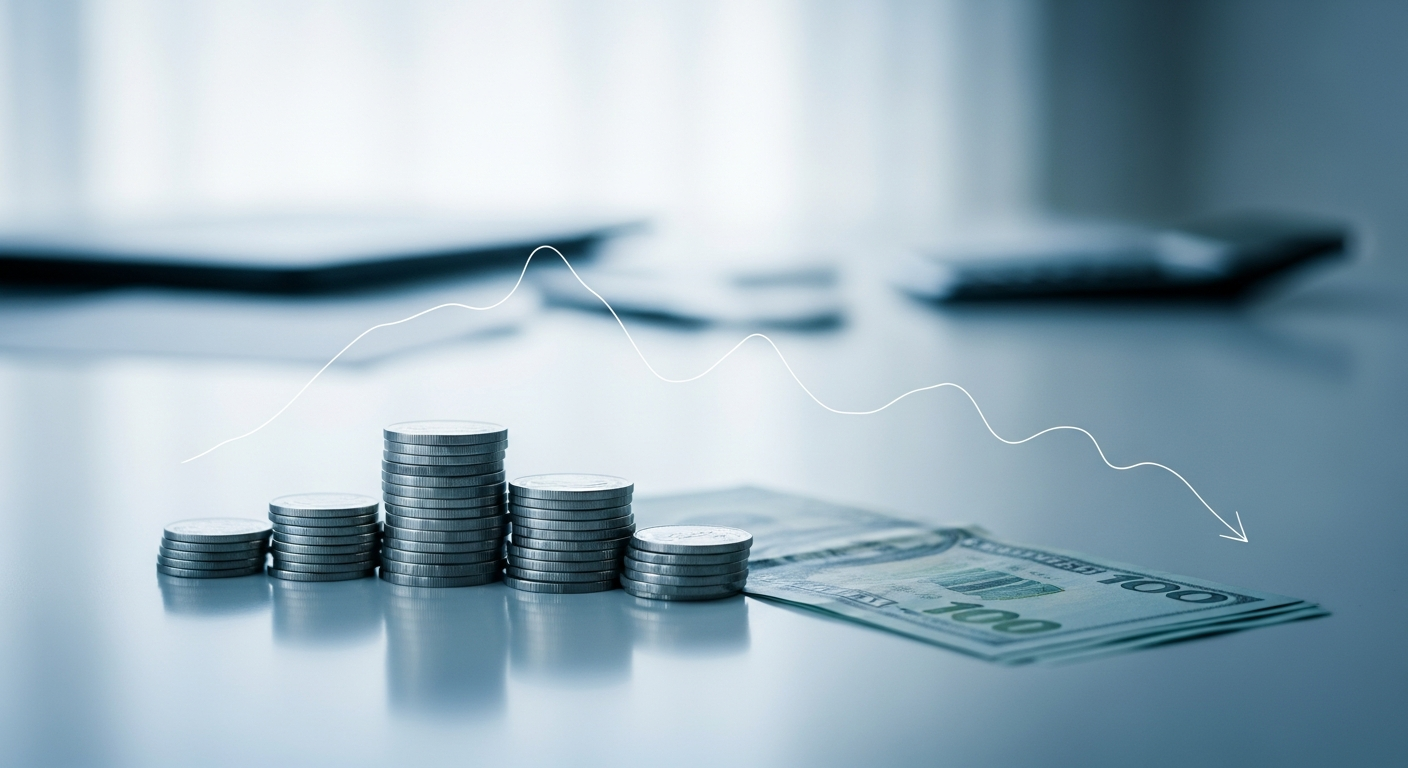
Now that we have deconstructed the underlying macroeconomic theory, let us explore the highly practical applications of this news in your daily life. The stabilization of consumer prices and the potential capping of borrowing costs will ripple through virtually every aspect of your personal finances. First, consider your daily household budget. With consumer goods pricing out at a slower rate, predicting your monthly expenses becomes significantly easier. You will start to notice less dramatic price jumps at the local supermarket. This newfound stability is an absolutely excellent opportunity to sit down and rigorously reevaluate your long-term financial goals. If you have been struggling just to keep your head above water, the gradual easing of living costs might finally allow you to focus on building your savings. Creating an emergency fund becomes a much more viable endeavor when your essential grocery bill is not unexpectedly jumping every single week.
Second, let us look at the borrowing and wealth-building side of your financial picture. If you are currently planning to buy a home or finance a vehicle, the current economic climate suggests that you should be highly strategic. While borrowing rates are still undeniably high compared to historical standards, the apparent pause in central bank rate hikes means we might currently be standing at the peak. Anyone holding variable-rate debt will likely stop seeing their required monthly minimum payments increase, allowing for better cash flow management.
On the flip side, this changing environment heavily impacts how you might choose to grow your wealth. The aggressively high interest rates of the past year have made standard bank accounts and government bonds incredibly attractive places to park your cash safely. However, if central banks lower rates in the near future because inflation is finally under control, the lucrative returns on these ultra-safe assets will inevitably drop. This is precisely why many forward-thinking individuals are currently looking to diversify their investment portfolios. They are strategically shifting their capital into broader market funds that typically perform exceptionally well during periods of economic recovery and normalized lending conditions.
Actionable Steps for the Current Economic Climate:
- Review your monthly budget: Adjust your spending categories to reflect the slower growth in essential costs. Reallocate the newly stabilized funds toward debt reduction or future goals.
- Prioritize high-interest balances: Attack credit card debt before exploring new financial products. Eliminating expensive liabilities is crucial before rates potentially shift again.
- Evaluate your cash reserves: Lock in current high yields on certificates of deposit before baseline interest rates start to systematically drop.
Frequently Asked Questions
What causes inflation to decrease?
Inflation decreases when the overall demand for goods and services cools down, often as a direct result of central banks raising borrowing costs. When loans are expensive, consumers spend less money. Furthermore, improvements in global supply chains and stabilization in energy prices also play a massive role in bringing consumer prices back down to a normal trajectory.
Will a drop in inflation lower my current fixed-rate mortgage?
No, a drop in the national inflation rate does not change the terms of an existing fixed-rate mortgage. Your previously agreed-upon rate remains exactly the same. However, if overall borrowing costs significantly drop in the future due to this cooling economic trend, you might be presented with an excellent opportunity to refinance your mortgage at a much more favorable rate.