
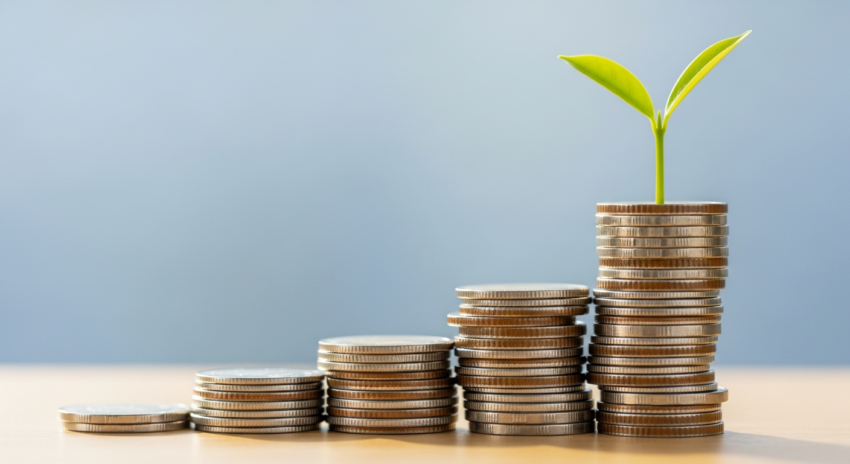


Decoding the Latest Economic Shift: What Cooling Inflation Means for Your Wallet
Are you constantly hearing complex updates about the global economy and wondering how they actually impact your daily life? Welcome to this comprehensive breakdown of the most recent and critical finance news. Our primary objective today is to provide you with highly relevant, easily digestible information regarding a crucial shift in the monetary landscape that has unfolded over the last few days. If you are not an expert in the field of wealth management, there is absolutely no need to worry. We are going to completely deconstruct the latest economic reports, examine the objective data, and explain exactly why this recent development matters for your personal purchasing power.
In the past few days, official economic metrics revealed a slight, yet highly anticipated, cooling in the overall inflation rate. For months, consumers have felt the heavy burden of rising costs at the grocery store, the gas pump, and in their utility bills. However, the newest data shows that the annual price growth has ticked downward from 3.5 percent to 3.4 percent. Furthermore, the underlying metric that strips out volatile categories like food and energy fell to 3.6 percent. While these fractions of a percentage might seem minuscule to the untrained eye, in the vast world of personal finance, they represent a monumental sigh of relief for financial markets and everyday consumers alike.
The Objective Data: Breaking Down the Numbers
To truly comprehend this recent development, we must first look at the objective facts provided by recent fiscal reports. The main indicator used to measure the cost of living is known as the Consumer Price Index. This index tracks the prices of a theoretical basket of goods and services that a typical household purchases. Recently, this index showed that while prices are still higher than they were a year ago, the aggressive speed at which they were climbing has finally begun to slow down.
Within these reports, economists place a heavy emphasis on a concept known as core inflation. This specific measurement intentionally ignores the prices of food and fuel. Why? Because a sudden geopolitical event or a bad agricultural season can cause gas and grocery prices to spike temporarily, painting a misleading picture of the broader economy. By focusing on the core data, experts can see the true underlying trend. The recent drop in this core metric is the golden ticket that investors and policymakers have been waiting for, signaling that the worst of the economic fever may finally be breaking.
Understanding the Grocery Cart Analogy
Because financial jargon can often be overwhelming, let us apply a highly practical example to everyday life. Imagine you are pushing a cart through your local supermarket. Two years ago, filling that cart cost you a specific amount. Then, a period of rapid inflation hit, and it felt like someone was adding an extra fee to your cart every single time you visited the store. The speed at which your grocery bill was rising was alarming.
The recent news that inflation is cooling does not mean your grocery bill will magically drop back to what it was three years ago. Deflation, or falling prices, is a completely different economic scenario. Instead, cooling inflation simply means the speed of the price increases has slowed down. If prices were previously sprinting upward, they are now merely walking. This stabilization is the first necessary step toward reclaiming your overall purchasing power and bringing predictability back to your household budget.

The Domino Effect on Borrowing Costs
You might be wondering why a tiny fractional drop in a governmental index has caused stock markets to rally and financial analysts to celebrate. The answer lies in the direct relationship between inflation and interest rates. When the cost of goods rises too rapidly, central banking authorities step in to intervene. Their primary tool to fight this rapid price growth is raising the cost of borrowing money. By making it significantly more expensive to take out a loan, they deliberately slow down consumer spending and business expansion, which theoretically cools down the economy.
For the past couple of years, borrowing costs have been pushed to their highest levels in decades. However, because the new data shows that prices are finally beginning to stabilize, the central banks may soon be in a position to lower these borrowing costs. This potential shift is generating massive optimism. To understand more about how broader market trends operate, you can easily explore our dedicated section on the overall economy, which provides fantastic insights into global market movements.
Practical Applications: How This Impacts Your Daily Life
The transition from a high-rate environment to a potentially lower-rate environment carries profound implications for your everyday decisions. Let us explore exactly how this complex economic news translates into tangible, real-world scenarios for the average consumer:
- The Housing Market: If you have been looking to purchase a home, you are likely well aware that mortgage rates have been painfully high. As inflation cools and central banks prepare to reduce rates, mortgage costs are expected to follow suit. Even a half-percent drop in a mortgage rate can save a homeowner tens of thousands of dollars over the life of a loan.
- Automobile Loans: Financing a new or used car has become incredibly expensive recently. A stabilization in the broader economic data means that lending institutions will gradually offer much more competitive rates for vehicle financing, lowering your monthly payments.
- Credit Card Debt: Most credit cards have variable rates that are directly tied to the policies set by central banks. If the official rates begin to drop later this year as a response to this positive news, the punitive interest you pay on carried balances will also see a gradual reduction.
Strategic Moves for Savers and Investors
While borrowing money might become cheaper, the other side of the coin involves the money you have saved. Over the past year, individuals who kept their cash in high-yield bank accounts or certificates of deposit enjoyed remarkably high returns. Banks were willing to pay lucrative yields just to hold your cash. However, as the economic landscape shifts and central banks prepare to cut rates, these generous returns on savings will also begin to decrease.
Therefore, the current moment represents a critical window of opportunity. If you have surplus cash, you might want to consider locking in current high yields before they disappear. For those looking to optimize their personal wealth, taking a proactive approach is highly recommended. You can learn more actionable strategies by visiting our comprehensive guide on maximizing your savings, which offers detailed methods to protect your capital.
Adapting Your Personal Financial Plan
Navigating these shifting economic tides requires patience and a solid understanding of fundamental principles. Now that you comprehend the objective data regarding the stabilized consumer prices, you can take informed steps. Here is a numbered list of strategic actions to consider in light of the recent news:
- Evaluate your current debt: If you hold loans with variable terms, keep a close eye on your statements in the coming months. As the broader rates decrease, your minimum payments should theoretically become more manageable.
- Delay massive financed purchases slightly: If you are not in an immediate rush to buy a home or a car, waiting just a few more months could allow you to secure a significantly better lending rate, saving you substantial capital in the long run.
- Reassess your household budget: With the cost of living stabilizing, you can project your future expenses with much greater accuracy. Use this period of predictability to build up your emergency fund.
Ultimately, this recent development in the financial sector serves as a powerful reminder that the economy is a massive, interconnected machine. A slight adjustment in a national index trickles down through the banking system, eventually landing right at your kitchen table. By staying informed and understanding the mechanics behind the headlines, you empower yourself to make intelligent, proactive decisions that foster long-term wealth building.
Frequently Asked Questions
1. Does a decrease in the inflation rate mean that everyday items will become cheaper than they were two years ago?
No, a decrease in this specific rate does not mean prices will fall backward to previous levels. It simply means that the speed at which prices are going up has slowed down significantly. Deflation is the term for prices actually dropping, whereas the current scenario is called disinflation, meaning prices are still rising, but at a much slower and more manageable pace for the average consumer.
2. How soon could we realistically see a drop in loan and mortgage costs following this positive economic update?
While financial markets react instantly to positive news, lending institutions and central banks move much more cautiously. Most economic experts predict that if the data continues to show stabilization over the next few months, we could see official rate reductions implemented by the late summer or early autumn. However, individual banks may begin offering slightly more competitive mortgage packages in anticipation of these official cuts.
About the Author: Money Minds, specialists in economics, finance, and investment.
View profile on LinkedIn