



Weekly Economic Wrap: Inflation Battles, Tech Giants, and Crypto Surprises
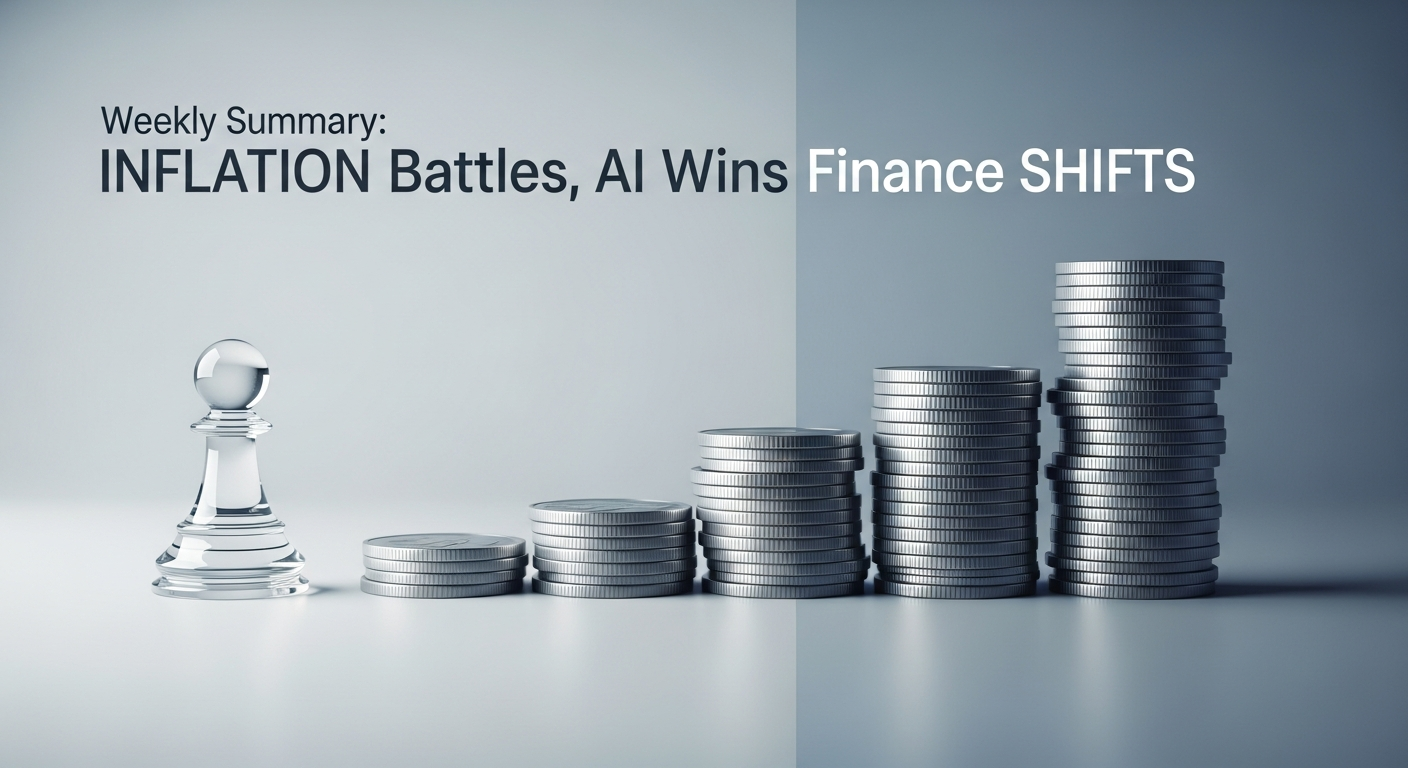
Welcome to your weekly digest where we break down the complex world of money into bite-sized, actionable insights. This week has been particularly volatile and exciting, characterized by mixed signals from central banks, a massive victory for the artificial intelligence sector, and regulatory shifts that could change how you pay for your online shopping. Let’s dive into the most relevant updates from the last five days affecting the global economy, your personal finances, and the investment landscape.
ECONOMY: The Tug-of-War with Inflation Continues
The economic headlines this week were dominated by the ongoing struggle to stabilize prices without stalling growth. Here are the two main stories you need to know:
1. The Federal Reserve Remains Cautious on Rate Cuts
This week, the release of the minutes from the latest Federal Reserve meeting sent a clear message: do not expect interest rates to drop anytime soon. The central bank officials expressed a lack of confidence that inflation is moving toward their 2% target quickly enough. While price hikes have slowed down compared to last year, the recent data suggests that the economy is still running “too hot” in certain sectors.
For the average citizen, this “higher for longer” stance means that borrowing costs for mortgages, auto loans, and business lines of credit will remain elevated. The Fed is essentially tapping the brakes on the economy to prevent prices from spiraling again, even if it causes some short-term discomfort for borrowers.
2. Global Inflation Divergence: The UK Example
While the US battles sticky prices, there was a glimmer of hope across the Atlantic. The United Kingdom reported that its annual inflation rate dropped significantly, landing very close to the 2% target. This is a crucial piece of news for the global economy because it shows that strict monetary policies (raising interest rates) are eventually effective.
However, despite the drop, service prices remain high. This creates a complex picture where goods like food and energy are becoming more affordable, but services (like hospitality and transport) are not. Economists are watching this closely, as it signals that while the worst of the cost-of-living crisis might be fading in some regions, the path to full economic stability remains uneven.
FINANCE: Consumer Protection and Payment Evolution
In the world of personal finance and banking, regulations are catching up to modern technology. The focus this week was on how we access credit and how we manage debt.
1. Major Regulation for “Buy Now, Pay Later” Services
If you have ever clicked a button to split an online purchase into four payments, you have used a Buy Now, Pay Later (BNPL) service. Up until now, these lenders operated in a gray area regarding consumer rights. This week, regulators announced a landmark decision: BNPL providers must now offer the same protections as traditional credit card issuers.
This is a significant win for consumer finance. It means users will now have the right to dispute charges, demand refunds for returned products, and receive clear billing statements. This move legitimizes the industry but also forces these fintech companies to operate with more transparency, reducing the risk of hidden traps for shoppers.
2. Rising Household Debt and Delinquencies
New data released this week highlighted a worrying trend in household finances: an uptick in credit card delinquency rates. As savings buffers built up during the pandemic begin to deplete, more consumers are relying on credit to cover daily expenses. The combination of high interest rates and persistent inflation is making it harder for lower-income households to keep up with monthly payments.
Financial experts are advising caution. With the cost of carrying credit card debt at historic highs, this news serves as a reminder to prioritize paying down high-interest liabilities before they compound into a larger financial burden.
INVESTMENTS: AI Dominance and Crypto Shifts
The markets were incredibly active this week, driven by the technology sector and a surprising pivot in the digital asset space. Here is what moved the needle:
1. The AI Chip Giant Crushes Expectations
The most anticipated event in the stock market this week was the earnings report from the world’s leading AI chipmaker. The company not only surpassed revenue expectations but also announced a stock split. This creates a psychological boost for investors; while a split does not change the fundamental value of the company, it makes individual shares more affordable for retail investors, often increasing liquidity.
This news rallied the entire technology sector, reinforcing the narrative that the Artificial Intelligence boom is tangible and profitable, not just hype. For those with diversified portfolios (like 401ks or index funds), this growth helps lift the broader market indices, offsetting weakness in other sectors.
2. A Sudden Turnaround for Ethereum ETFs
In a surprising twist, the regulatory outlook for a spot Ethereum ETF (Exchange Traded Fund) shifted from “unlikely” to “highly probable” in just a few days. An ETF allows investors to buy into an asset (like gold or crypto) through a standard brokerage account without needing to hold the actual digital coins in a digital wallet.
Analysts believe regulators are engaging with issuers to finalize the paperwork, a step usually reserved for approvals. This caused a massive surge in the price of Ethereum and renewed optimism across the cryptocurrency market. If approved, this would bridge the gap between traditional finance and the digital asset economy, bringing more institutional money into the space.
Frequently Asked Questions (FAQ)
Q: What does a “Stock Split” mean for me if I own shares or want to buy?
A: A stock split is like cutting a pizza into smaller slices; you have the same amount of pizza, just in more pieces. If a company announces a “10-for-1” split, and you own 1 share worth $1,000, you will end up with 10 shares worth $100 each. The total value of your investment remains the same ($1,000), but the lower price per share makes it easier for new investors to buy in.
Q: Why do “Buy Now, Pay Later” apps need to be regulated like credit cards?
A: Without regulation, these apps were not legally required to help you if a merchant scammed you or if you needed to return a faulty item. By classifying them like credit cards, the government ensures that you have legal rights to dispute charges and get refunds, preventing you from being on the hook for payments on goods you never received or returned.
About the Author: Money Minds, specialists in economics, finance, and investment.
View profile on LinkedIn